About
A focused studio with high engineering standards
Blendes Studio designs and builds software for startups, established businesses, and agencies. This page explains how we work: the principles we follow, the standards we hold, and how we keep you informed from the first call onward.
What to expect
- Software development first, with design and AI under one roof
- Direct contact with the people building your product
- Written plans, regular updates, and honest estimates
- Support after launch, not a hand-off and goodbye
Who we are
Engineers first, with design and creative skills alongside
We build web applications, SaaS platforms, custom business software, and the APIs and automations that connect them. Product design, AI integration, and creative production sit in the same team, so decisions about how something works and how it looks are made together.
We keep the studio deliberately small. You talk to the people doing the work, context isn't lost between departments, and the care that goes into the first release carries through to the tenth.
We work with founders validating a new product, established businesses replacing manual processes, and agencies that need a dependable engineering partner, wherever they're based.
Engineering principles
What we believe, and what we do about it
Principles only matter if they change how work gets done. Under each one are the practices we follow to meet it.
-
01
Maintainability
Software is changed far more often than it is written. We optimise for the next developer.
- Consistent conventions and readable code
- Documented setup, architecture, and decisions
- Dependencies chosen for longevity, not novelty
-
02
Security
Security is part of the design, not a final checklist item.
- Least-privilege access and secrets kept out of code
- Input validation and secure defaults
- Dependency updates and vulnerability checks
-
03
Scalability
Built for where you are now, with clear room to grow.
- Architecture matched to real, expected load
- Clear boundaries so parts can evolve independently
- Monitoring in place before it's needed
-
04
Quality
Quality is checked continuously, not inspected at the end.
- Code review on every change
- Automated tests for critical paths
- Testing on real devices and browsers
-
05
Communication
No surprises. You should always know where the project stands.
- Regular written progress updates
- Estimates with the assumptions behind them
- Early notice when scope, risk, or timing changes
-
06
Long-term support
Launch is a milestone, not the finish line.
- Handover documentation for your team
- Post-launch monitoring and fixes
- Ongoing improvement through maintenance and support
Quality standards
Our default definition of done
A feature isn't finished when it works on one laptop. Unless we agree otherwise for a project, work is ready to ship when it meets these standards.
- Code reviewed before it is merged
- Covered by automated tests where it matters
- Checked against WCAG accessibility guidelines
- Tested on the browsers and devices your users rely on
- Within agreed performance budgets
- Free of exposed secrets and known vulnerable dependencies
- Documented for whoever works on it next
- Reviewed and accepted by you
Communication & collaboration
Working together, wherever you are
Good software depends on good communication. We make progress visible and decisions easy to follow, whether you're across town or several time zones away.
-
A shared plan
Scope, milestones, and priorities written down and agreed at the start, then kept up to date as things change.
-
Regular, written updates
What was done, what's next, and anything that needs your input, in a format you can read on your own schedule.
-
Working software to review
Preview environments and demos let you see real progress early and give feedback before it's expensive to change.
-
Transparency about what you own
Where possible we set up code repositories and services in your accounts, so access and ownership stay clear from day one.
Project delivery
Five phases, each with something to show
Every phase ends with a concrete output you can review, so decisions are made with real information.
-
Discovery
We learn about your business, users, existing systems, and constraints, and agree what success looks like.
You receiveA summary of goals, risks, and recommended next steps
-
Planning & Architecture
We break the work into milestones and choose an architecture that fits your stage, budget, and roadmap.
You receiveA scoped plan, milestones, estimate, and technical approach
-
UI/UX Design
We map the key user flows and design clear, consistent, accessible interfaces, validated with you before build.
You receiveUser flows and reviewable designs or prototypes
-
Development & Testing
We build in small, reviewable increments, testing as we go and sharing progress regularly.
You receiveWorking software in a preview environment, updated as it grows
-
Launch & Ongoing Support
We release carefully, monitor closely after launch, and stay available to maintain and improve the product.
You receiveA production release, handover documentation, and a support plan
Proof
See how it plays out on real projects
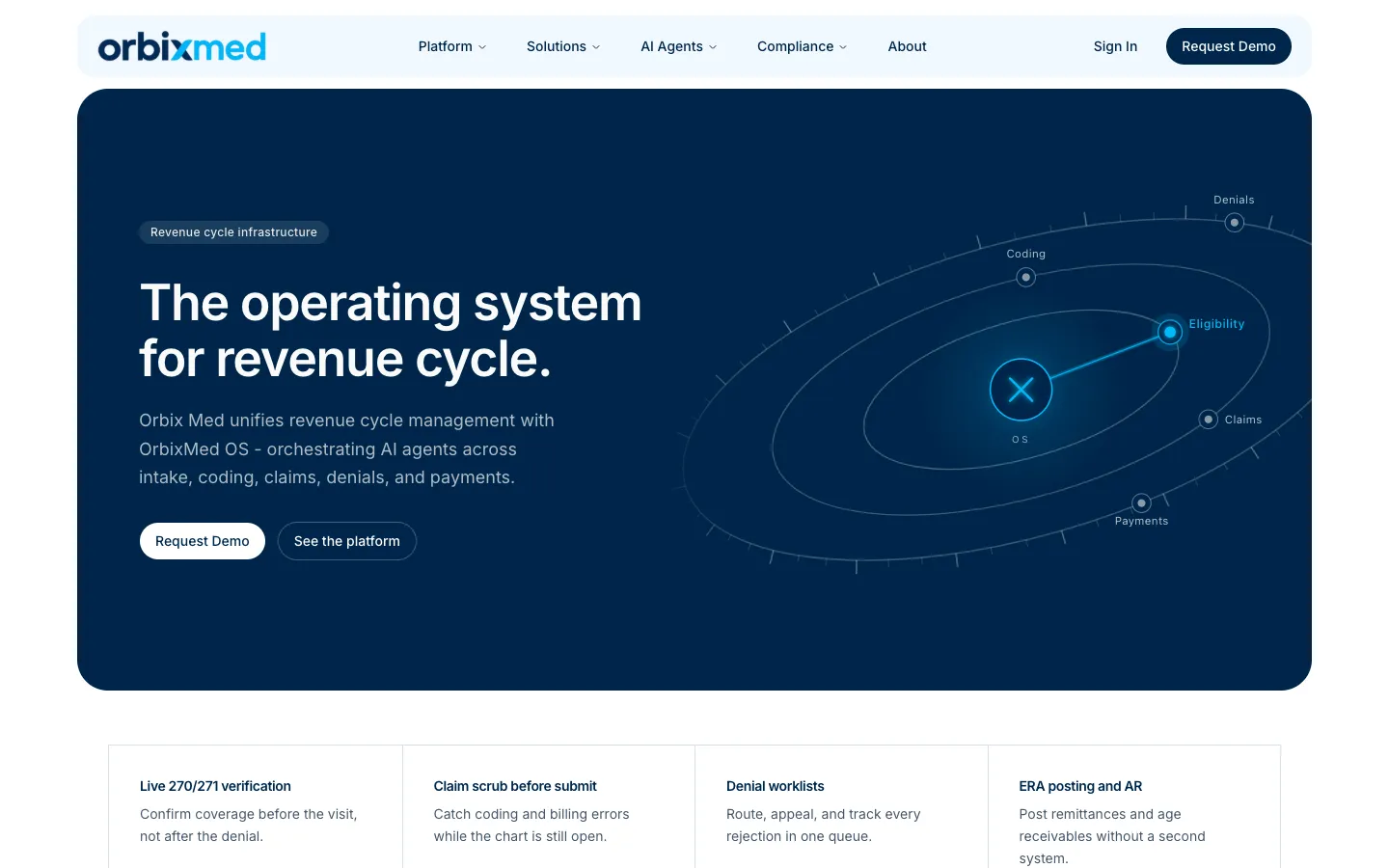
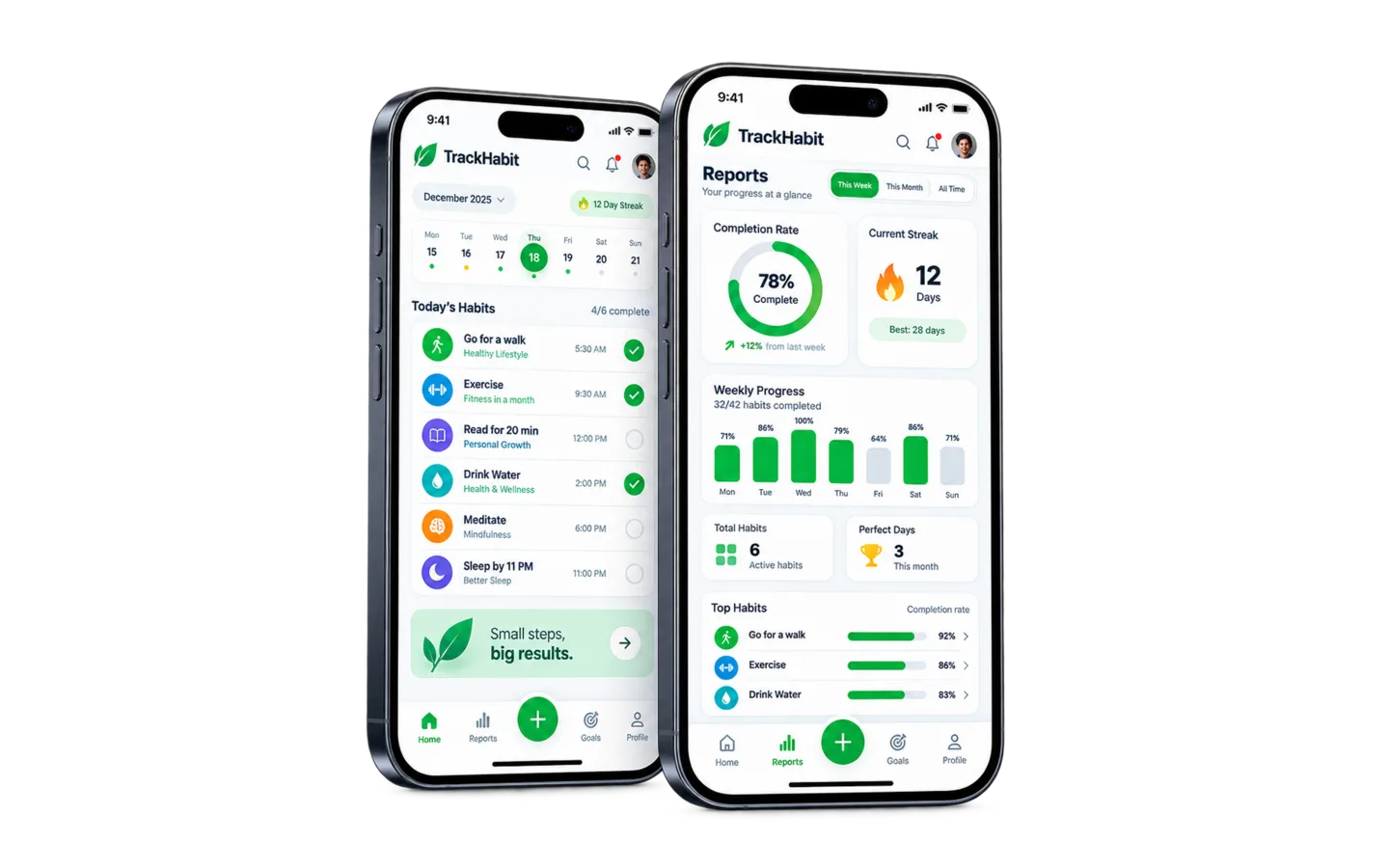
We've delivered more than 100 projects. Our case studies show the challenge, the decisions we made, and what we built, using only details our clients have approved.
View all our work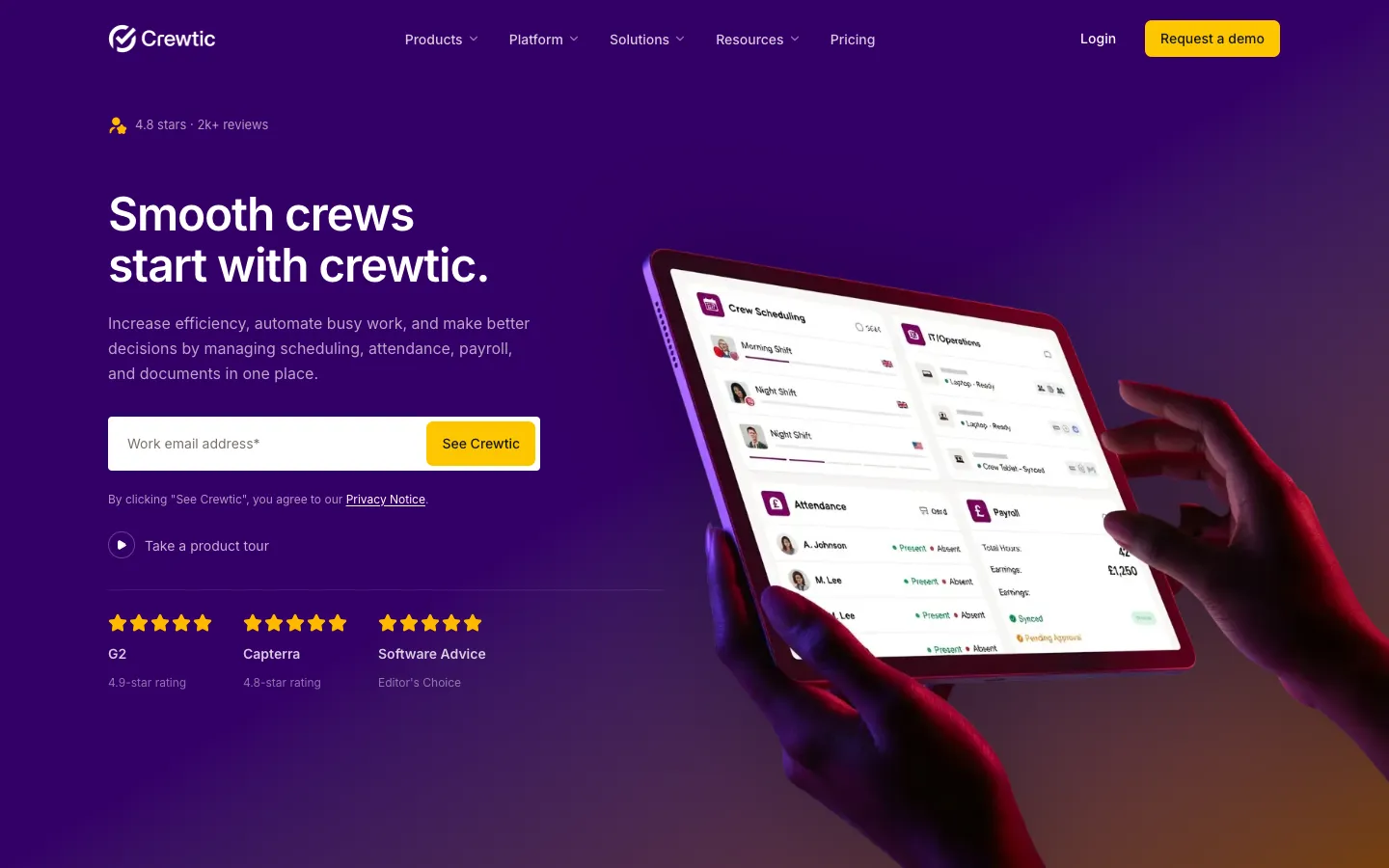
The team
The people behind the work
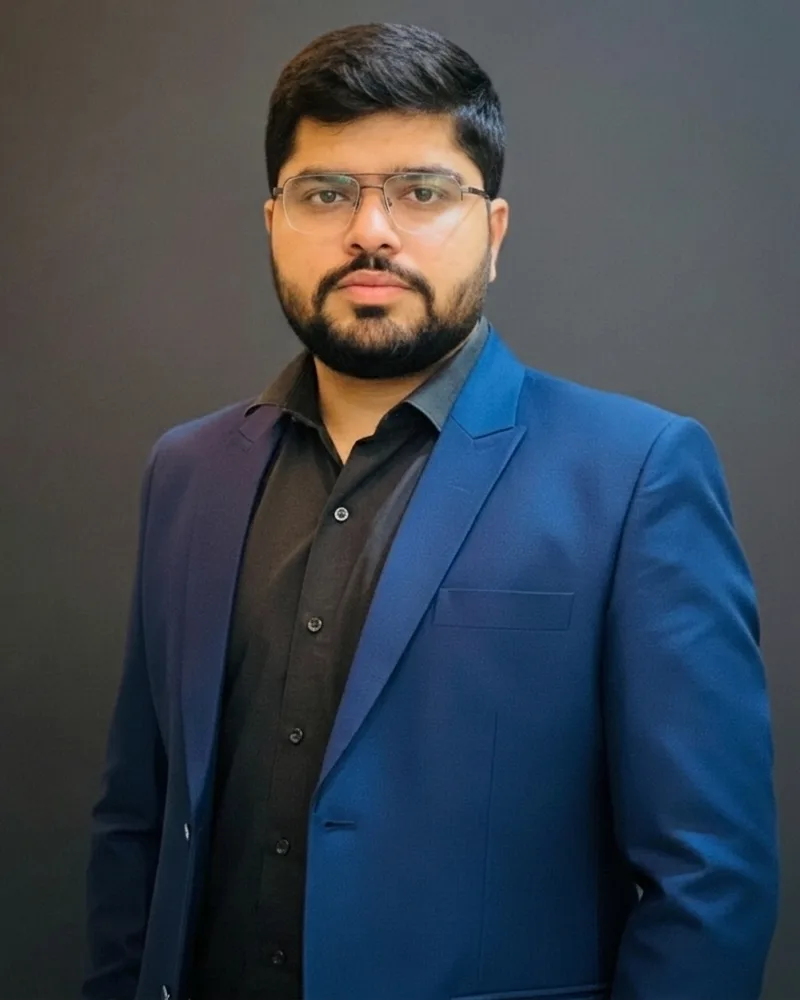
A team of 20+ led by Muneeb Ahmad, combining software engineering, quality assurance, product design, AI and business development. Decisions about how something works and how it looks are made together.
-
 Leadership
Muneeb Ahmad
Managing Director
-
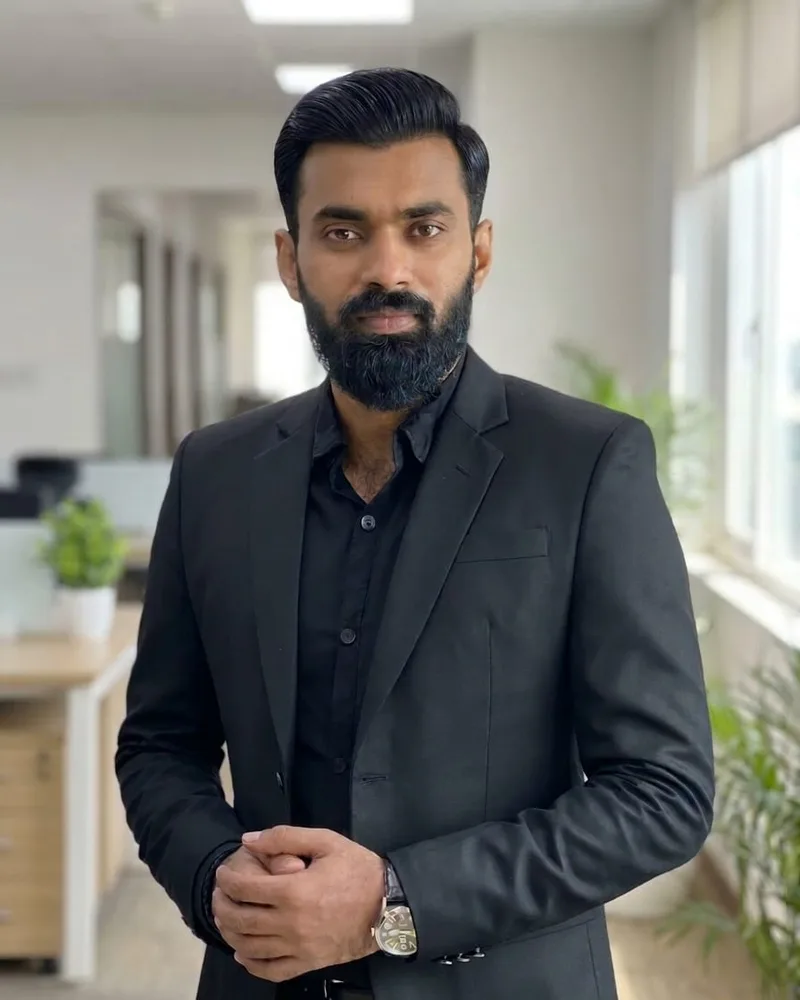
Sheraz Baig
Senior Software Engineer
-

Ali Zafar
Software Engineer
-
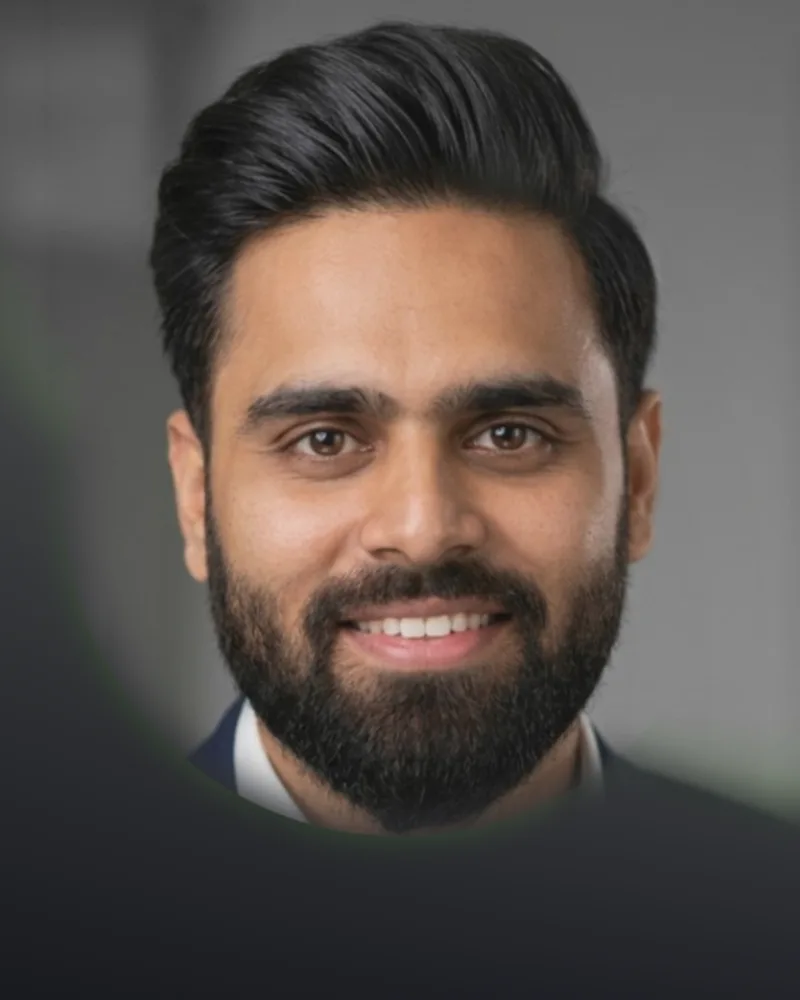
Daniyal Noor
SQA Engineer
-

Ali Akbar
Software Engineer
-

Shajar
Full-Stack Developer
-

Ahsan Shabbir
Business Developer
-
20+
People across software engineering, quality assurance, product design, AI and business development. More profiles are on the way.
Work with us
Start a project
Sounds like the way you want to work?
Tell us about your product, your goals, and your timeline. We'll suggest a sensible scope and how we'd approach it.